

Results-Driven Tutoring
TutorBright students see a statistical significant improvement in: Reading Fluency, Reading Comprehension, Mathematics Calculation



We’ve been featured in


Why TutorBright

15 years of experience

Voted 5 years of “Best Tutoring Service” By CityParent

Experienced Certified Tutors

100% Satisfaction Guarantee
Meet Some Of Our Tutor-Mentors

Allison

Certified Teacher, Masters Degree in Teaching

Elementary phonics and decoding, Reading comprehension / language, Science, High School English, Math, International Baccalaureate, Social Sciences, Special Needs / Education, ESL
“Bloom where you are planted.”

Jennifer
Certified Teacher, Bachelor of Education, Bachelors of Sociology
Elementary phonics and decoding, Reading comprehension / language, Science, High School English, Math, Special Needs / Education
“I've learned that people will forget what you said, people will forget what you did, but people will never forget how you made them feel.” - Maya Angelou
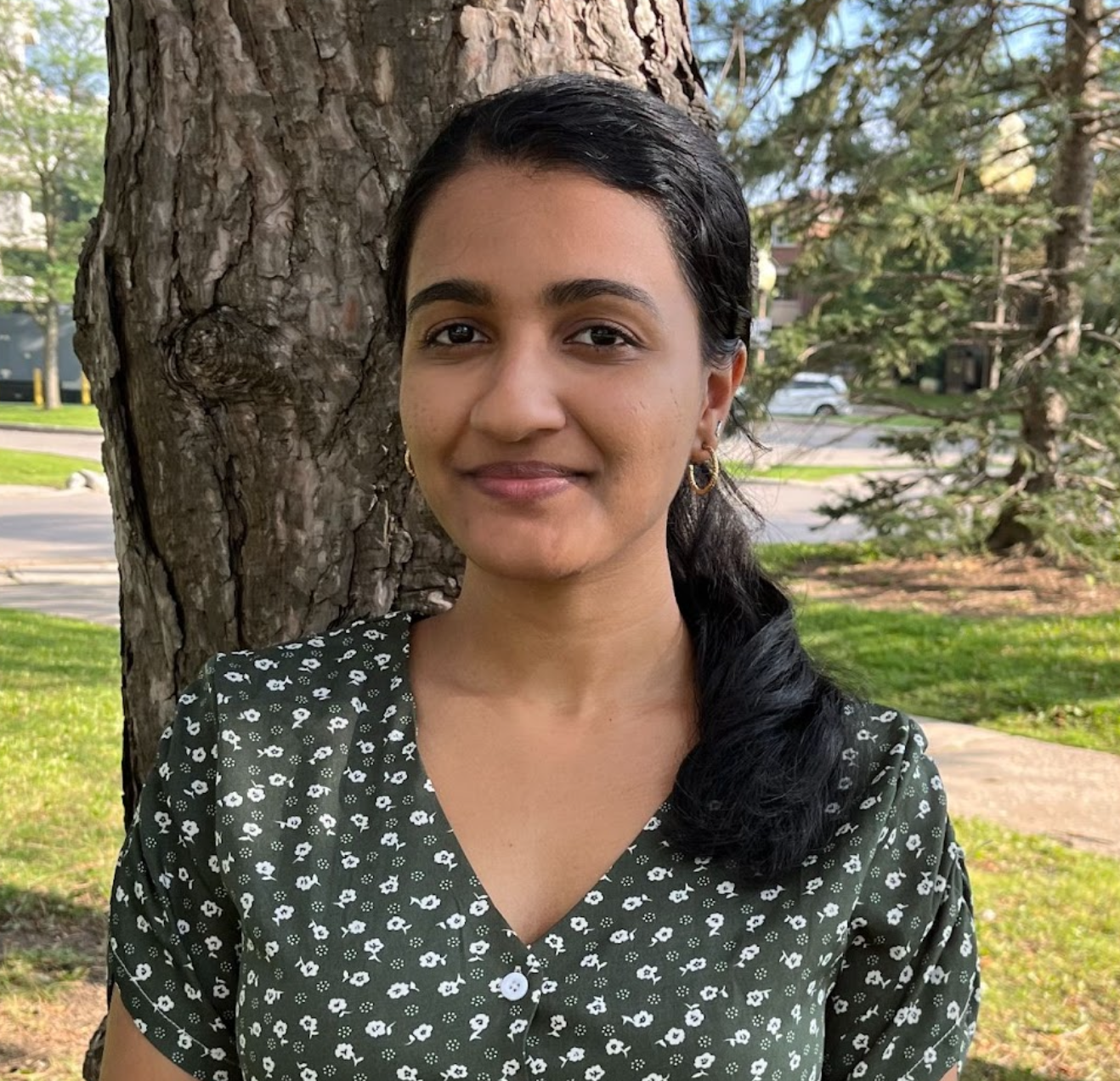
Priyanka
Bachelors in Mathematics and Computer Science
Reading comprehension / language, Math, Science, Biology, Computer Science
"Work hard in silence, and let success make the noise" - Frank Ocean
Why Parents Choose Us


Confidence and Attitude

Academic Progress

Independent Learning

What Parents are saying about us


EXCELLENT
Based on 498 reviews.

Kate
2023-08-07We have used TutorBright for both of our children. The tutor we had was engaging, informative and developed a good working relationship with the children. Both my children have a form of dyslexia and with the support of the weekly tutoring they have increased their grades but most importantly confidence and were always happy to have the lesson. We will look to continue going forward and we highly recommend
Reg and Sherry
2023-08-18I can't say enough about our experience with TutorBright. We were impressed right from the beginning when we received our first call in order for TutorBright to gather information and learn more about what we were looking for in a tutor for our daughter. They asked great questions and explained that they wanted to make the best match possible. Shortly after the initial call we received an email proposing a match and provided information regarding the tutor's background and availability (that matched the availability we previously provided to them). We felt that it was a good match so we approved! We were sent information to train on the platform used by TutorBright prior to the first session, which was very helpful. The platform was extremely intuitive and easy to navigate. I knew within 10 minutes into the first tutoring session that my daughter was well-matched. Her tutor really took the time to get to know her both as a student as a person (interests, hobbies, etc.). He always started their sessions off with questions about her interests and followed up on items they spoke about the week prior. He made sure to tailor the sessions around subjects she had an interest in. She looked forward to each session and the entire hour was always fully maximized. TutorBright followed up regularly to ensure we remained happy with the service and our tutor. I would highly recommend TutorBright for any parent/guardian wishing for the child to have extra support
Natalie
2023-07-14TutorBright was amazing for our son, we had him in another tutoring program and he made more progress in 8 sessions with TutorBright than he did in almost 2 years with the other program. My son loved his teacher and even got really sad when his sessions were done because he wouldn’t get to see her anymore. I can not recommend them enough!


TutorBright is the only proven tutoring program
In a recently published study in the Oxford Review of Education, TutorBright students see a statistical significant improvement in: Reading Fluency, Reading Comprehension, Mathematics Calculation.
98%
of parents say TutorBright is one of the greatest investments they made for their child.
20K+
TutorBright has helped over 20,000 students of all grade levels and learning needs
100% Guarantee
If you are unsatisfied with your tutor after the first session for any reason, TutorBright will refund your payment and provide you with a new tutor free of charge.



Top Tutoring Locations


